Every Day: Carbon Monoxide Safety Education Day
Learn as you alert - carry a personal CO monitorCO from a generator is not a silent killer, it is loud.
You may become disabled at the onset of a fire in your home or business by the carbon monoxide being produced and be unable to get out as the fire spreads and intensifies. Please make sure you have the earliest possible detection system and that all your other detectors are operating correctly.
If text is in Blue it is a source link to a news article, document or video; EXCEPT THIS ONE. Posted links are not edited for grammar errors or regional spelling differences. (Daily news links a short scroll below)
Scroll back in time through our archives for previous CO News links. We can learn from others’ mistakes and efforts to prevent poisoning. (Archives posts start with December 31 each year - 2021 - 2020 (365) - 2019 (365) - 2018 (365) - 2017 (275) - 2016 (366) - 2015 (365) - 2014 (365) - 2013 (365) - 2012 (362) - 2011 (344) - 2010 (87) - 2009 (12) Scroll down through each year or use Web View and the menu bar on the right.
Does everyone in your household know where the fire extinguisher is and how it works? Is there an emergency escape plan to reach exits?
We are all students of carbon monoxide and fire safety.
Are you content not knowing how much carbon monoxide is in the air you breathe? Answer - (This is a Yes or No answer)
Pollution, a known a killer – unfortunately a product of economies
(1914-2001 Ray Walston bio link)
Ted Bluechel (b. 1942) with The Association "Under Branches" YouTube music link
What is the risk of being nauseous from carbon monoxide?
Answer - You have been. (You will be again.)
Pollution, a known a killer – unfortunately a product of economies
---------------------------------------------------------------------------
Daily Quote and Song - (birthday (December 2) people today)
“Talent will come out.”
Ray Walston sourced through Brainy Quote(1914-2001 Ray Walston bio link)
Ted Bluechel (b. 1942) with The Association "Under Branches" YouTube music link
---------------------------------------------------------------
---------------------------------------------
Carbon Monoxide (CO) moves through a building like fog through a forest, except you can't see it. CO is a toxic gas. Bob Dwyer
-------------------------------------------------------------
World-Wide Reports - Pollution and Health Effects- Fire Safety
Carbon Monoxide News Links
December 2, 2022 (International Spelling; no edits)
Carbon Monoxide News Links
December 2, 2022 (International Spelling; no edits)
Carbon Monoxide Safety Training - Saving some lives but not the dying
WUSA9.com
Officials say they recorded high levels of CO inside the home. - There is no word on the identities of the people who were inside the home or how old they are. Their current conditions are unknown at this time. (See this WUSA9.com headline link)
CFD responding to hazmat situation at Gage Park apartment
CBS News
Chicago - Fire crews arrived at the scene around 8 a.m. They said there was a high carbon monoxide reading coming from a faulty furnace inside the apartment, located in the 3000 block of West 54th Place. - The levels reached over 400 ppm which can be fatal. (See this CBS News headline link)
Cedar Park, Georgetown fire officials recommend safety precautions when heating homes
Community Impact
Heating is the second-leading cause of home fires in the U.S., according to the National Fire Protection Association, with the risk peaking in December through February. Data from the NFPA shows an average of 45,800 home heating fires occurred each year between 2015 and 2019, leading to an estimated 480 deaths and $1 billion in direct property damage per year. - The main cause of chimney fires, specifically, is the collection of black and brown tar-like residue called creosote. (See this Community Impact headline link)
Update
Police identify man who died of carbon monoxide poisoning in Ann Arbor hotel
MLive.com
Once the door was opened, Suire was found dead on the floor having succumbed to carbon monoxide poisoning, police said. - Testing by fire crews showed the boiler room contained carbon monoxide levels in excess of 500 parts per million, the maximum testable value by fire crew’s equipment and well above the Occupational Safety and Health Administration safe threshold of 50 parts per million for an eight-hour work period. (See this MLive.com headline news link)
---------------------------------------------------------------
---------------------------------------------------------------
Why Wait for the Alarm or Injury? Don't - YouTube
Always measure air you breathe - the classroom is everywhere.
Pro-active carbon monoxide measurement coupled with heightened awareness regarding the toxic gas sources can make for life changing moments. (CO Safety Series - Bob Dwyer, CSME Carbon Monoxide Safety)
How Much Carbon Monoxide is too Much to Breathe - YouTube
Carbon Monoxide or CO is a toxic gas and acts like a poison with early regarded symptoms that can include dizziness, headache, confusion, head stuffiness, fatigue, upper respiratory irritation, breathing struggles, heart rate changes, nausea and vomiting. Too much CO is a quick killer. (CO Safety Series - Bob Dwyer, CSME Carbon Monoxide Safety)
Carbon Monoxide or CO is a toxic gas and acts like a poison with early regarded symptoms that can include dizziness, headache, confusion, head stuffiness, fatigue, upper respiratory irritation, breathing struggles, heart rate changes, nausea and vomiting. Too much CO is a quick killer. (CO Safety Series - Bob Dwyer, CSME Carbon Monoxide Safety)
Always measure air you breathe - the classroom is everywhere.
Be aware and protected
Flu-like symptoms and the health effects of carbon monoxide exposure COSABD7m34s
COSA - Are your symptoms flu-like? Don’t get lost in the symptoms – measure carbon monoxide. No matter what you do for a living you should know about the health impacts of carbon monoxide exposure and what your role in the prevention of poisoning. Bob Dwyer, CSME Carbon Monoxide Safety - Classroom Discussions (Video - Classroom Discussion - March 2020)
COSA - Are your symptoms flu-like? Don’t get lost in the symptoms – measure carbon monoxide. No matter what you do for a living you should know about the health impacts of carbon monoxide exposure and what your role in the prevention of poisoning. Bob Dwyer, CSME Carbon Monoxide Safety - Classroom Discussions (Video - Classroom Discussion - March 2020)
Incomplete combustion can have an odor and contain "odorless carbon monoxide". This “aldehyde” smell is often mistaken for a gas leak. Know that CO is in that smell. How much? You better be measuring. (Bob Dwyer, CSME Carbon Monoxide Safety)
--------------------------------------------------
--------------------------------------------------
When is it best for me to be CO alarmed?
COSA
CO alarms are lab tested with certified carbon monoxide gas to help demonstrate delayed response vs rapid response to the toxic gas in this 15-minute classroom tutorial. Always asking the question "How soon would you like notification that your health is at risk from carbon monoxide exposure?"
COSA
CO alarms are lab tested with certified carbon monoxide gas to help demonstrate delayed response vs rapid response to the toxic gas in this 15-minute classroom tutorial. Always asking the question "How soon would you like notification that your health is at risk from carbon monoxide exposure?"
If you’re not measuring carbon monoxide I am not teaching well. We can accomplish and seek solutions through daily research and measurement. What is the point of teaching if we don’t practice what we teach? Without measurement add darkness to the description of "The Silent Killer". "We are all students gathering information when it comes to carbon monoxide safety." Bob Dwyer, CSME Carbon Monoxide Safety contact - bobdwyer@cosafety.org
-----------------------------------
-----------------------------------
https://www.ready.gov/home-fire
Fire is FAST! In less than 30 seconds a small flame can turn into a major fire. It only takes minutes for thick black smoke to fill a house or for it to be engulfed in flames.
Fire is HOT! Heat is more threatening than flames. Room temperatures in a fire can be 100 degrees at floor level and rise to 600 degrees at eye level. Inhaling this super-hot air will scorch your lungs and melt clothes to your skin.
Fire is DARK! Fire starts bright, but quickly produces black smoke and complete darkness.
Fire is DEADLY! Smoke and toxic gases kill more people than flames do. Fire produces poisonous gases that make you disoriented and drowsy. Asphyxiation is the leading cause of fire deaths, exceeding burns by a 3-to-1 ratio. (Find out more at this Ready.gov headline news link)
Fire is FAST! In less than 30 seconds a small flame can turn into a major fire. It only takes minutes for thick black smoke to fill a house or for it to be engulfed in flames.
Fire is HOT! Heat is more threatening than flames. Room temperatures in a fire can be 100 degrees at floor level and rise to 600 degrees at eye level. Inhaling this super-hot air will scorch your lungs and melt clothes to your skin.
Fire is DARK! Fire starts bright, but quickly produces black smoke and complete darkness.
Fire is DEADLY! Smoke and toxic gases kill more people than flames do. Fire produces poisonous gases that make you disoriented and drowsy. Asphyxiation is the leading cause of fire deaths, exceeding burns by a 3-to-1 ratio. (Find out more at this Ready.gov headline news link)
Everyone has been poisoned by CO and will be poisoned again. The degree of the poisoning depends upon allowing yourself to be in a situation where someone else controls the air you breathe and the mechanisms for alarming notification.
Please read the alarm information on the package and in the instructions that come with the carbon monoxide alarm. Know that if it is a U.L. 2034 Listed product (or CSA 6.19 Listed), it is a high-level alarm that has been tested to alarm no sooner than 70 PPM at the lowest (the alarm must resist for one hour when above this level) and when over 400 PPM before 15 minutes at the highest concentration, after resisting alarming for 4 minutes when over this level.
Know when your fire department and emergency responders begin wearing their breathing apparatus and what their civilian evacuation levels are for carbon monoxide; it may be as soon as the gas is present in your presence. Pregnant women, infants & children, people with heart & respiratory struggles, those suffering depression or chronic headaches and all people of vulnerable health should be alerted as soon as the gas begins to concentrate, around 10 PPM (parts per million) or lower.
You'd prefer a low-level carbon monoxide detector to sound off when carbon monoxide hazards are just beginning, not after you’ve been exposed to levels that make you have headaches, flu-like symptoms, increased tiredness, heart stresses or worse.
Do not take risks with carbon monoxide. Take responsibility for the air you breathe and the combustion systems you are responsible for. If you don’t do it for yourself, do it for others, unless you think $45.00, high level protection is good enough.
Please read the alarm information on the package and in the instructions that come with the carbon monoxide alarm. Know that if it is a U.L. 2034 Listed product (or CSA 6.19 Listed), it is a high-level alarm that has been tested to alarm no sooner than 70 PPM at the lowest (the alarm must resist for one hour when above this level) and when over 400 PPM before 15 minutes at the highest concentration, after resisting alarming for 4 minutes when over this level.
Know when your fire department and emergency responders begin wearing their breathing apparatus and what their civilian evacuation levels are for carbon monoxide; it may be as soon as the gas is present in your presence. Pregnant women, infants & children, people with heart & respiratory struggles, those suffering depression or chronic headaches and all people of vulnerable health should be alerted as soon as the gas begins to concentrate, around 10 PPM (parts per million) or lower.
You'd prefer a low-level carbon monoxide detector to sound off when carbon monoxide hazards are just beginning, not after you’ve been exposed to levels that make you have headaches, flu-like symptoms, increased tiredness, heart stresses or worse.
Do not take risks with carbon monoxide. Take responsibility for the air you breathe and the combustion systems you are responsible for. If you don’t do it for yourself, do it for others, unless you think $45.00, high level protection is good enough.
Help prevent injuries and deaths; don’t guess about carbon monoxide. Measure carbon monoxide for safety and knowledge. The more you test the more you learn. GET BUSY -
The best way to verify your CO safety device is working is to use certified test gas
Don’t let poor health symptoms be your carbon monoxide alarm.
Carbon monoxide poisoning often occurs and reoccurs with common, nagging type symptoms and often confuses the sufferer with headache, tiredness or shortness of breath. Diligent measurement for CO is very easy and can help identify the toxic gas in air and perhaps help in the reduction of some poor health symptoms if the sources are removed or repaired. You could measure or you could guess or seek measurement.
The only way to know if there is no CO in your car is to measure
Please Note - low level carbon monoxide measurement is best
"Place a carbon monoxide alarm with a digital display on a seat in the motor vehicle when you are out driving in emergency snow conditions (or always for that specific). Harmful levels of carbon monoxide (CO) can penetrate inside a motor vehicle just due to prevailing winds and exhaust not moving away from the vehicle but under it. If you want to learn more about carbon monoxide, begin measuring it with a personal CO monitor everywhere you go." Bob Dwyer, CSME Carbon Monoxide Safety
-----------------------------------------------
-----------------------------------------------
How Many Fires Did You Start Today?
Population growth & density = risks
World Population by Year
Student exercise
Think of the action “fire” and then compare your birth year (or as far back as this chart goes) with the current population. How many fires are there going in the world? Fires spawn heat. Fires spawn combustion gases. How many fires are there? How many fires do you start or share in (even electric if your electricity comes from a fossil fuel fired generation plant miles away.
Fires include heating air and water for skin warmth – heating for cooking – heating for bathing – heating for work transportation (cars trucks, trains, planes, boats, rockets) – heating for recreation extras (vehicles) – heating for funeral pyres – heating for candle ceremonies (including ambiance) – heating for melting earth minerals – heating for burning garbage heating for running errands and activities (kidding, driving errands) and many more uses for heating. That’s a lot of combustion gas in the air, collectively. (Bob Dwyer)
World Population by Year
Student exercise
Think of the action “fire” and then compare your birth year (or as far back as this chart goes) with the current population. How many fires are there going in the world? Fires spawn heat. Fires spawn combustion gases. How many fires are there? How many fires do you start or share in (even electric if your electricity comes from a fossil fuel fired generation plant miles away.
Fires include heating air and water for skin warmth – heating for cooking – heating for bathing – heating for work transportation (cars trucks, trains, planes, boats, rockets) – heating for recreation extras (vehicles) – heating for funeral pyres – heating for candle ceremonies (including ambiance) – heating for melting earth minerals – heating for burning garbage heating for running errands and activities (kidding, driving errands) and many more uses for heating. That’s a lot of combustion gas in the air, collectively. (Bob Dwyer)
Predicting when an accidental carbon monoxide poisoning will occur is not something anyone can do, but some circumstances make it foreseeable that it will occur. This is why so many of the CO safety and awareness statements are redundant.
The fact is, some people just don’t get it, don’t understand it, have no respect for the gas or, who knows why? Maybe it is because "accidents happen to someone else". But it is foreseeable that you will read about deaths occurring in this news blog again, despite the collective efforts around the world to prevent death from carbon monoxide poisoning.
Does everyone in your household know how much carbon monoxide makes you sick but is not enough to kill you? Did you know carbon monoxide is generated early and all the time a building is on fire?
Your CO alarm may be a high-level alarm
READ THE OWNERS MANUAL
Please note their Listed CO concentration alarm set points
NOTE: Listed U.L. 2034 & CSA 6.19 Carbon Monoxide Alarms
VISUAL DISPLAY:
Must not display under 30PPM in normal operation
AT 70, 150 & 400 PPM display must be accurate within plus or minus 30%
SENSITIVITY TESTING:
Resist alarming first times shown, must by second shown time
70PPM [PLUS OR MINUS 5PPM ... [BETWEEN 60 _ 240 MINUTES]
150PPM [PLUS OR MINUS 5PPM] ... [10 - 50 MINUTES]
400PPM [PLUS OR MINUS 10PPM ... [4 - 15 MINUTES]
READ THE OWNERS MANUAL
Please note their Listed CO concentration alarm set points
NOTE: Listed U.L. 2034 & CSA 6.19 Carbon Monoxide Alarms
VISUAL DISPLAY:
Must not display under 30PPM in normal operation
AT 70, 150 & 400 PPM display must be accurate within plus or minus 30%
SENSITIVITY TESTING:
Resist alarming first times shown, must by second shown time
70PPM [PLUS OR MINUS 5PPM ... [BETWEEN 60 _ 240 MINUTES]
150PPM [PLUS OR MINUS 5PPM] ... [10 - 50 MINUTES]
400PPM [PLUS OR MINUS 10PPM ... [4 - 15 MINUTES]
OSHA
Carbon Monoxide Fact Sheet - Carbon Monoxide Poisoning QuickCard™ - Portable Generators (See PDF links at this OSHA headline news link)
Carbon Monoxide Fact Sheet - Carbon Monoxide Poisoning QuickCard™ - Portable Generators (See PDF links at this OSHA headline news link)
Do you know enough about carbon monoxide and carbon monoxide poisoning to justify never knowing how much is in the air you breathe every day, everywhere you go? Take a carbon monoxide detector with you when in your car for safer travel.
COSA – CO Alarm Video - watch and think of those you care about
MEASURE or LET CARBON MONOXIDE GET THE BEST OF YOU
MEASURE or LET CARBON MONOXIDE GET THE BEST OF YOU
"You can't measure COVID 19 in the air but you can sure detect and measure carbon monoxide. Get an early warning. Get low-level CO protection and the start of a house fire may be detected before smoke and smoke alarms activate." Bob Dwyer, CSME Carbon Monoxide Safety
Your CO alarm may be a high-level alarm (most are)
READ THE OWNERS MANUAL
Please note their Listed CO concentration alarm set points
Hotel/Motel – Who is responsible for the air you breathe?
Hotel CO Incident Data
The Jenkins Foundation
Dozens of carbon monoxide (CO) incidents occur in U.S. hotels every year. Many of these incidents result in unnecessary harm to hotel guests, (See more of this Jenkins Foundation Data Report)
The Jenkins Foundation
Dozens of carbon monoxide (CO) incidents occur in U.S. hotels every year. Many of these incidents result in unnecessary harm to hotel guests, (See more of this Jenkins Foundation Data Report)
------------------------------------------------------------------------
VIDEOS FOR THE CLASSROOM (wherever that is)The Hair Salon and the Carbon Monoxide Ghost--Prologue; Teaching CO Safety segment, 0007BDCOSA
Carbon monoxide infiltrated a hair salon business and prompted investigators into action. Decisions, testing and precautions in place, the business reopened. Help vitalize critical thinking for the unexpected with this classroom presentation, Part 1.
The Hair Salon and the Carbon Monoxide Ghost--CO Returns; Teaching CO Safety, segment 0008BDCOSA
Precautions in place and the business reopened; the carbon monoxide incident appeared to be an anomaly in normal function of a gas water heater. But then, the carbon monoxide ghost let its presence be known, and the investigators are back at it in Part 2 of this classroom presentation.
PART 3
The gas water heaters were replaced with electric ones, but the new CO alarms sounded out that the CO ghost had returned. Fresh eyes, more testing and inquiries lead to source identification and the end of this chapter in Teaching Carbon Monoxide Safety for the Life and Death of it.--------------------------------------------------------------------------
Carbon Monoxide
What do you do, hope someone else protects you from this toxic gas?"Taking Carbon Monoxide Seriously" from "CO Safety For Life & Death of it" segment 0006BDCOSA
(COSA - BD 3 min video)
Does it take the death of a family member, friend, neighbor or someone famous for us to take carbon monoxide measurement seriously and with more understanding? Yes, unfortunately; for a while perhaps. Fortunately, there are passionate survivors and those who have felt that shocking loss and work towards greater understanding of the impact CO has on our lives. They rally to educate, instigate fund raisers to help supply CO alarms to others and to dialogue with lawmakers and policy influencers regarding laws, ordinances, and the public offering of the alarms. And you, do you have carbon monoxide protection; everywhere?
---------------------------------------------------------------------------------
Help Save Lives – Be CO Safe--------------------------------------------------------------------------------------------
-----------------------------------------------------------------------------------
↓There is a lot to learn about carbon monoxide
↓There is a lot to learn about carbon monoxide
----------------------------------------------------------------------------------
-------------------------------------------------------------------------------
Intermountain Healthcare
COHb measurement can rule in CO poisoning but does not have the sensitivity to rule it out on its own. COHb levels do not correlate well with severity of poisoning or outcomes… (Much more at this site; view flashcard)
COHb measurement can rule in CO poisoning but does not have the sensitivity to rule it out on its own. COHb levels do not correlate well with severity of poisoning or outcomes… (Much more at this site; view flashcard)
A Tale of Weatherization at Grandma's House
Story adapted by the Building Science Community of Alaska
How heat, air, and moisture works together to determine your overall home performance level. (Watch this animation - internet dropped via Kousma Insulation)
Story adapted by the Building Science Community of Alaska
How heat, air, and moisture works together to determine your overall home performance level. (Watch this animation - internet dropped via Kousma Insulation)
Everyone has been poisoned by CO and will be poisoned again. The degree of the poisoning depends upon allowing yourself to be in a situation where someone else controls the air you breathe and the mechanisms for alarming notification. We live in combustion based cultures - fire.
HSE, OHSA, OHS
Safeguarding your family and home should be your number one priority at all times, and this is why you must not take chances in any way. - (Read more HSE, OHSA, OHS)
Please Note: "Place a carbon monoxide alarm with a digital display on a seat in the motor vehicle when you are out driving in emergency snow conditions (or always for that specific). Harmful levels of carbon monoxide (CO) can penetrate inside a motor vehicle just due to prevailing winds and exhaust not moving away from the vehicle but under it. If you want to learn more about carbon monoxide, begin measuring it with a personal CO monitor everywhere you go." Bob Dwyer, CSME Carbon Monoxide Safety
UL 2034
How much carbon monoxide are you in when in any motor vehicle?
Did you know that many people do not measure the air they breathe?
After prevention there is no greater awareness than measurement.
Safeguarding your family and home should be your number one priority at all times, and this is why you must not take chances in any way. - (Read more HSE, OHSA, OHS)
----------------------------------------------------------------------
----------------------------------------------------------------------
Don’t let poor health symptoms be your carbon monoxide alarm.
Carbon monoxide poisoning often occurs and reoccurs with common, nagging type symptoms and often confuses the sufferer with headache, tiredness or shortness of breath. Diligent measurement for CO is very easy and can help identify the toxic gas in air and perhaps help in the reduction of some poor health symptoms if the sources are removed or repaired. You could measure or you could guess or seek measurement.Please Note: "Place a carbon monoxide alarm with a digital display on a seat in the motor vehicle when you are out driving in emergency snow conditions (or always for that specific). Harmful levels of carbon monoxide (CO) can penetrate inside a motor vehicle just due to prevailing winds and exhaust not moving away from the vehicle but under it. If you want to learn more about carbon monoxide, begin measuring it with a personal CO monitor everywhere you go." Bob Dwyer, CSME Carbon Monoxide Safety
---------------------------------------------------------------------------
The most recommended CO Alarm in U.S. is a high-level alarm
Standard for Single and Multiple Station Carbon Monoxide AlarmsUL 2034
1.3 Carbon monoxide alarms covered by this standard are not intended to alarm when exposed to long-term, low-level carbon monoxide exposures or slightly higher short-term transient carbon monoxide exposures, possibly caused by air pollution and/or properly installed/maintained fuel-fired appliances and fireplaces (More)
---------------------------------------------------------------------
---------------------------------------------------------------------
Please, stop diagnostic errors; start testing for carboxyhemoglobin
How much carbon monoxide are you in when in any motor vehicle?
Did you know that many people do not measure the air they breathe?
After prevention there is no greater awareness than measurement.
Awareness leads to quick thinking. Measurement leads to quick action.
Do you know enough about carbon monoxide and carbon monoxide poisoning to justify never knowing how much is in the air you breathe every day, everywhere you go?”
There are some people who want to be notified of the presence of carbon monoxide at levels or concentrations as soon as the gas is present, at concentrations well below those that can instigate poor health symptoms but not be high enough levels to sound the CO alarm they own.
-------------------------------------------------------------------
-------------------------------------------------------------------
Your CO alarm may be a high-level alarm
READ THE OWNERS MANUAL
Please note their Listed CO concentration alarm set points
And Carbon Monoxide Alarms Are Cross Sensitive to Hydrogen
This is important to know because if there are charging marine or auto batteries in the spaces in or near your CO alarm, the batteries could be out-gassing hydrogen gas and your alarm may sound. Be aware of this when measuring the air near the charging of electric golf carts and electric forklifts. Hydrogen gas is a dangerous gas in confining spaces but it is not carbon monoxide.
------------------------------------------------------------------
You don't have to wait to see what low, aggravating levels of the poison might be in your home, or anywhere as it is happening. Your safety is up to you. Are you responsible for others?
------------------------------------------------------------------
The following video link appears via You Tube on “BLEVE” search
BLEVE (Boiling Liquid Expanding Vapor Explosion) Demonstration - How it Happens Training Video
BLEVE (Boiling Liquid Expanding Vapor Explosion) Demonstration - How it Happens Training Video
Video - Propane (LPG) tanks of any size can violently compound a structure fire – KEEP THEM OUTSIDE - This is an important notice to pass on to anyone.
Contact - the ESCO Group https://escogroup.org/ for more information on the CO exam and all their training and written exam certifications. Every item on this site is placed in the efforts to raise awareness to help reduce the impact carbon monoxide has on people.
----------------------------------------------------------------
--------------------------------------------------------------------
We have all been CO poisoned, some more than others
We have all inhaled carbon monoxide. We are a world of fire users.
What is in the air you are breathing right now?
What will you be doing today; walking into poison?
Who will be responsible for the air you breathe?
You may be the only person who can prevent your own poisoning.
We are all vulnerable to carbon monoxide exposure and poisoning.
We have all inhaled carbon monoxide. We are a world of fire users.
What is in the air you are breathing right now?
What will you be doing today; walking into poison?
Who will be responsible for the air you breathe?
You may be the only person who can prevent your own poisoning.
We are all vulnerable to carbon monoxide exposure and poisoning.
Investigate the following video segments to explore low level carbon monoxide measurement.
------------------------------------------------------------------
Journal of Neurology and Neuroscience
Carbon monoxide (CO) intoxication is one of the main causes of poisoning in industrialized countries and it often leads to diagnostic errors…
Carbon monoxide intoxication.
nih.gov
However individuals with ischemic heart disease may experience chest pain and decreased exercise duration at COHb levels between 1% and 9%. COHb levels between 30% and 70% lead to loss of consciousness and eventually death…
JEMS.com - ...site has been designed with this in mind – to create a visual, interactive, educational resource which can hopefully end incidents of carbon monoxide poisoning and save lives… For more information, please visit - www.thesilentkiller.co.uk
-----------------------------------------------------------------
Carbon monoxide (CO) intoxication is one of the main causes of poisoning in industrialized countries and it often leads to diagnostic errors…
Carbon monoxide intoxication.
nih.gov
However individuals with ischemic heart disease may experience chest pain and decreased exercise duration at COHb levels between 1% and 9%. COHb levels between 30% and 70% lead to loss of consciousness and eventually death…
JEMS.com - ...site has been designed with this in mind – to create a visual, interactive, educational resource which can hopefully end incidents of carbon monoxide poisoning and save lives… For more information, please visit - www.thesilentkiller.co.uk
-----------------------------------------------------------------
-----------------------------------------------------------------
Carbon Monoxide Canary - music link
Who is responsible for the air you breathe?
Take control inside your homes.
-Link to: → CO alarm standards –
The lowest U.L. 2034 & CSA 6.19 carbon monoxide alarm test point is:
- 70 PPM to 149 PPM –resist one hour, must alarm before 4 hours
Please read the alarm information on the package and in the instructions. Know when your fire department and emergency responders begin wearing their breathing apparatus and what their civilian evacuation levels are for carbon monoxide; it may be before 70 PPM. It is for pregnant women, infants & children, the elderly and all people of vulnerable health. Bob Dwyer, CSME Carbon Monoxide Safety
Carbon Monoxide Canary - music link
Who is responsible for the air you breathe?
Take control inside your homes.
-Link to: → CO alarm standards –
The lowest U.L. 2034 & CSA 6.19 carbon monoxide alarm test point is:
- 70 PPM to 149 PPM –resist one hour, must alarm before 4 hours
Please read the alarm information on the package and in the instructions. Know when your fire department and emergency responders begin wearing their breathing apparatus and what their civilian evacuation levels are for carbon monoxide; it may be before 70 PPM. It is for pregnant women, infants & children, the elderly and all people of vulnerable health. Bob Dwyer, CSME Carbon Monoxide Safety
Low Level CO Protection
Low-Level Carbon Monoxide Protection and TPI Model 780
COSA - Video
TPI is a long time sponsor of this CO education effort.
When does your carbon monoxide alarm? How do you test it? Are you sure it is responding to carbon monoxide in a safe, timely manner? Do you know much about your carbon monoxide alarm? This Classroom Discussion segment does highlight low-level CO protection with one of our supporter's manufactured product while it helps with CO alarm education. (View video)
----------------------------------------------------------------------
Links that may be of use or interest
- Current Data for Atmospheric CO2
- Federal Aviation Administration CO warning
- Carbon monoxide toxicity-Emergency Medicine Ireland
- Carbon Monoxide detection- National Fire Protection Association
Low-Level Carbon Monoxide Protection and TPI Model 780
COSA - Video
TPI is a long time sponsor of this CO education effort.
When does your carbon monoxide alarm? How do you test it? Are you sure it is responding to carbon monoxide in a safe, timely manner? Do you know much about your carbon monoxide alarm? This Classroom Discussion segment does highlight low-level CO protection with one of our supporter's manufactured product while it helps with CO alarm education. (View video)
----------------------------------------------------------------------
Links that may be of use or interest
- Current Data for Atmospheric CO2
- Federal Aviation Administration CO warning
- Carbon monoxide toxicity-Emergency Medicine Ireland
- Carbon Monoxide detection- National Fire Protection Association
These following links may be of some use to you:
- The World Clock - Time Zones
- Earthquake Map
- Which volcanoes are erupting now? - Volcano Discovery
- National Oceanic and Atmospheric Administration
- World population counter
- Animal cameras - variety of locations
- American Red Cross
- Heart Rescue using an (AED)
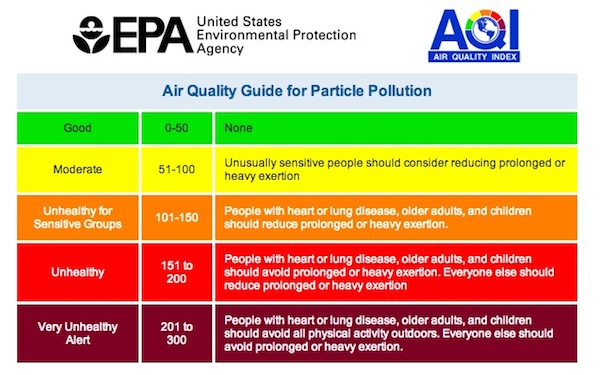
- Air Quality Guide for Particle Pollution
- U.S. Drought Monitor
- Astronomy Picture of the Day Archive
The following companies are also acknowledged for their support of carbon monoxide safety education and this daily news blog. They may just have what you are looking for.
- The World Clock - Time Zones
- Earthquake Map
- Which volcanoes are erupting now? - Volcano Discovery
- National Oceanic and Atmospheric Administration
- World population counter
- Animal cameras - variety of locations
- American Red Cross
- Heart Rescue using an (AED)
- Air Quality Guide for Particle Pollution
- U.S. Drought Monitor
- Astronomy Picture of the Day Archive
The following companies are also acknowledged for their support of carbon monoxide safety education and this daily news blog. They may just have what you are looking for.
---------------------------------------------------
---------------------------------------------------